

What Exactly Are 'Ozempic Hands'? We Asked A Doctor
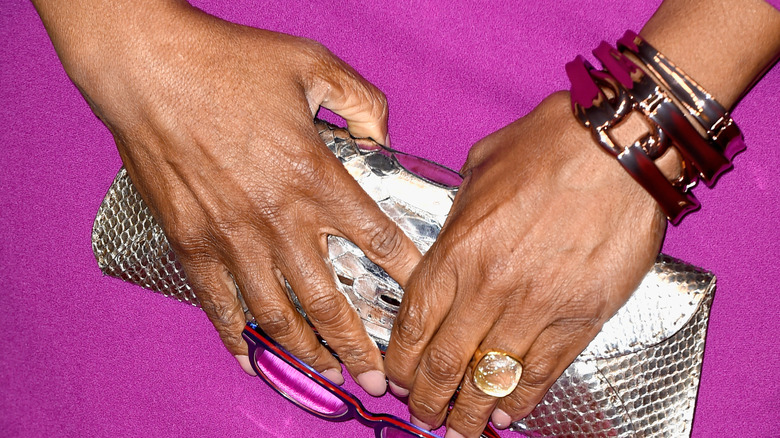
We've all heard of Ozempic face and the risks of the diabetes drug, and now folks may have to keep an eye out for another side effect of taking a GLP-1: Ozempic hands. If this is the first time you're hearing about this, you're not alone, and board-certified plastic surgeon Dr. Terry Dubrow explains exactly what it is. "'Ozempic hands' is a phenomenon much like Ozempic face or Ozempic butt — it simply refers to the loss of subcutaneous fat that can happen after rapid weight loss from GLP-1 medications," he exclusively tells Glam. Just like on the face, folks taking weight-loss meds can start noticing looser skin on their hands, drawing attention to their veins and tendons.
However, according to Dr. Dubrow, this isn't an isolated event. "It's really tied to rapid weight loss, so if you're losing weight quickly, you may start to notice fat loss in areas like the hands. It's not a separate condition — it's part of the overall fat loss process," he notes. So, in addition to crepey hands, you may get Ozempic neck, as well. Because your hands are highly visible, you may want to address them right away, but our obesity medicine specialist thinks it's not something to panic over just yet.
Ozempic hands may go away on their own

If you're in the early stages of your weight-loss journey and have noticed Ozempic hands, it's best to just wait for a bit before treating them. "It may be temporary, so I wouldn't rush to do anything right away," Dr. Terry Dubrow exclusively shares with Glam. His advice is to get to your goal weight first, and after it's stabilized, you can consider minimally invasive treatments like fat transfer or filler injections if your hands are still veiny and crepey. In the meantime, you can reduce the signs of aging on your hands at home with a good moisturizer and regular exfoliation.
As for the negative aspects of semaglutides, Dr. Dubrow doesn't think they're enough to stop taking the medication, especially if they're minor. "It's a small price to pay when you consider the significant health benefits of weight loss with these medications," he points out. Just remember, Ozempic hands aren't a side effect of the drug, but rather the process of shedding pounds rapidly. So, if you're tempted to get off your meds because of some loose skin, speak to your healthcare professional first to weigh the pros and cons.
If you're on GLP-1s to lose weight, stopping may cause you to regain the pounds
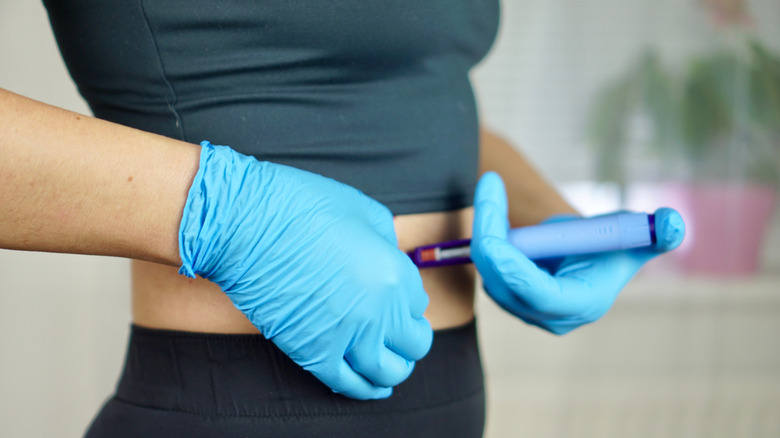
Once you've reached your goal weight, you may decide you no longer need Ozempic and other semaglutides, but that can cause the pounds to come back. "In most cases, people who are on these GLP-1 medications [and] lose a significant amount of weight can/will regain some or all of it when they discontinue it," Dr. Jen Ashton shared with "Good Morning America." She explained that it's because the factors that cause obesity are chronic, and once you take the meds away, those conditions are still there. What folks can do is, instead of stopping completely, is lower their dosage and the frequency of their shots to every two weeks rather than every seven days — at their doctor's discretion, of course.
A study by the University of Cambridge found that those who stopped taking GLP-1s regained about 60% of their weight within a year, but predicted that they would keep 25% off. "Drugs such as Ozempic and Wegovy act like brakes on our appetite, making us feel full sooner, which means we eat less and therefore lose weight. When people stop taking them, they are essentially taking their foot off the brake, and this can lead to rapid weight regain," medical student Brajan Budini stated. However, it's possible to keep the pounds off, with student Steven Luo sharing, "It's important that people are given advice on improving their diet and exercise, rather than relying solely on the drugs, as this may help them maintain good habits when they stop taking them."