

4 Tips For Keeping Your Menopausal Skin Healthy This Summer
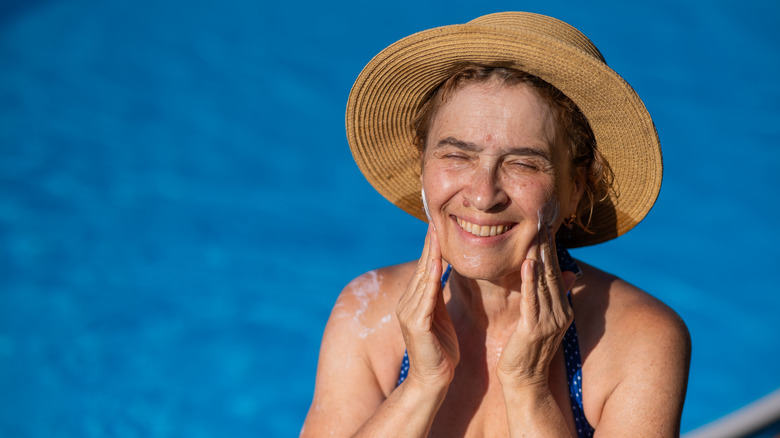
The changing seasons can affect our skin more than we realize, and that's true at any age. But the hot temperatures can cause even bigger problems for those in menopause, who might already be dealing with compromised skin. "During menopause, many women notice that their skin becomes thinner, drier, and sometimes more sensitive than it was before," Dr. Rachel Westbay, board-certified dermatologist at Marmur Medical, tells Glam in an exclusive chat. "These changes are largely driven by declining estrogen levels, which directly impact collagen production, hydration, and the skin's overall ability to maintain firmness and elasticity. As collagen decreases over time, skin can start to look less plump and resilient, making fine lines and texture changes more noticeable."
Dr. Westbay explains that the heat and humidity of summer can exacerbate these skin issues on multiple fronts. "Warmer temperatures can trigger increased redness and flushing, especially for women already experiencing hot flashes," she notes. "Sweat, excess oil, and sunscreen buildup during the summer months may also contribute to congestion or breakouts, while sun exposure can worsen pigmentation and uneven skin tone."
But even with menopause and the added pressures of summer, you can still have healthy, glowing skin. It just requires a little more care and consideration of the extra hurdles brought on by the temperature changes, as well as those happening to you internally. Given what we know about the changes to your skin during menopause, Dr. Westbay points out that a solid topical skincare routine is half the battle during the hot months. That said, she also stresses the importance of looking after your skin from the inside out: "Simple habits like gentle cleansing, consistent moisturization, staying hydrated internally, and incorporating calming treatments like LED therapy can help keep skin balanced, comfortable, and healthy throughout the season."
Never forget the SPF during the summer
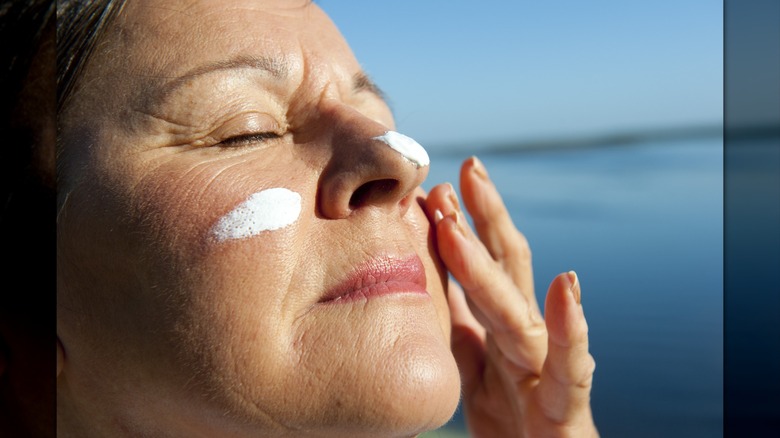
Contrary to popular belief, we need sun protection in all seasons. However, SPF is crucial in summer, and it's also more crucial for those going through menopause. "Daily SPF is especially important during menopause because thinner skin is more vulnerable to UV damage and pigmentation," Dr. Rachel Westbay shares in our exclusive chat. Putting on SPF should be an everyday step in your morning skincare regimen, and choosing a product that can be applied under makeup is a game changer. If you end up with an SPF that has a thick, sticky consistency, you'll be more likely to skip it. Instead, go for something that feels seamless in your routine when choosing the best sunscreen for your skin.
Try not to rely exclusively on sunscreen if you'll be in the sun for most of the day — your sun protection strategy should include more than just an SPF, and hats and sunglasses can play a part in protecting your skin, too. SPF can go on all skin that's not covered by your clothing, though you might prefer to use a hypoallergenic and lightweight product for your face while using regular SPF for your body, especially if your skin is more sensitive during menopause. As you do with your skincare, don't forget to apply it to your neck.
A key mistake surrounding SPF is applying too early and then not reapplying throughout the day. In most cases, sunscreen will only be effective for up to three hours from application, so if you'll be outdoors in the afternoon, you'll often need to top it up throughout the day. You still need SPF on cloudy days, and note that activities like swimming and showering can wash the product off.
Stay on top of your summer skincare in menopause
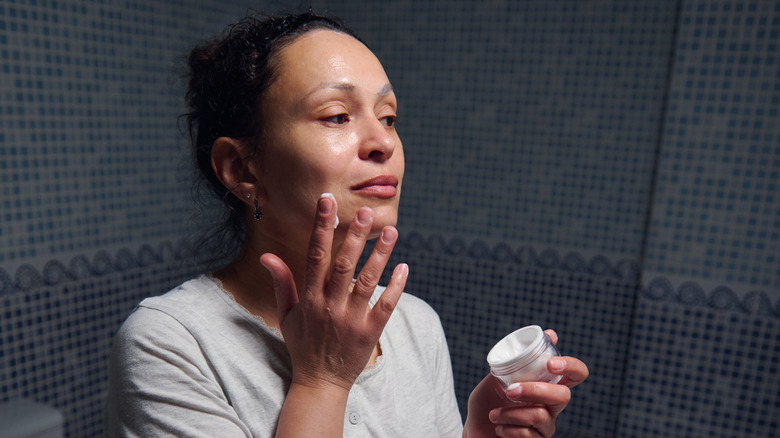
A good skincare routine is always important, but it becomes more so when you're navigating menopausal skin in a challenging season like summer. Dr. Rachel Westbay tells Glam exclusively that it's worth choosing your products carefully. "I usually recommend lightweight but nourishing skincare products that replenish moisture without feeling too heavy in the heat," she says.
If you're building your menopausal skincare bag from scratch, a cleanser is essential, but opt for something mild rather than a harsh soap. There are many products on the market, but look for those that contain gylcerin, hyaluronic acid, or ceramides. You'll also want a lightweight moisturizer with similar beneficial ingredients during the warmer weather. For nighttime in particular, you can include an anti-aging or collagen-boosting product, such as a serum with peptides. Try to look for products that are fragrance-free, especially if the summer heat or hormonal changes have led to rashes and aggravated, flushed skin. Though sunscreen is your first defense in sun protection, you can also include antioxidants like vitamin C and niacinamide in your skincare, since these help to combat the damage caused by free radicals. However, remember to listen to your skin and avoid any product that feels harsh or drying.
Unfortunately, menopause can also bring out hormonal acne, and summer can make this worse because of increased sweating and more frequent use of topical products like sunscreen. Luckily, there are a few good products out there for treating adult acne. Those with salicylic acid can be helpful for breakouts, but steer clear of products that leave your skin too dry. "It's also helpful to avoid overly harsh exfoliants or stripping cleansers, particularly during the summer months when skin may already be more reactive," Dr. Westbay warns.
Hydration is crucial for menopausal skin in summer

You might be tired of hearing the advice to stay hydrated in order to meet your healthy skin goals. But the experts sound like broken records because the advice is true. In our exclusive chat, Dr. Rachel Westbay recommends keeping up your hydration while looking after your menopausal skin in summer, since this is one of the areas where women can unknowingly fall short. "At the same time, menopausal skin is already more prone to dryness, so environmental factors like air conditioning, chlorine, and salt water can further compromise the skin barrier and leave skin feeling dehydrated or irritated," the dermatologist confirms. Hormonal fluctuations can naturally affect the way your body balances fluids, and sweating in summer and during hot flashes only worsens this.
Adequate hydration for menopausal women usually involves having at least 6-8 glasses of water a day. Every person's needs are different, though, so look out for signs that your body might need more hydration than it's getting. Along with feeling thirsty, symptoms of dehydration include a dry mouth, headache, and fatigue. Be sure to drink water before, during, and after exercise especially, and try to limit dehydrating foods and drinks like alcohol, caffeinated tea, and sugar. Getting a water bottle with measurements can really help you stay on top of your fluid goals.
Good news for those who hate drinking water: You can also up your hydration through certain foods that have a high water content, including celery, watermelon, and cucumber. You can also amp up foods high in electrolytes, including banana, avocado, lemon juice, and oats, since these help to regulate fluid in the body. Otherwise, add some cucumber or lemon to your water for a more rewarding flavor.
LED light therapy can help menopausal skin through summer
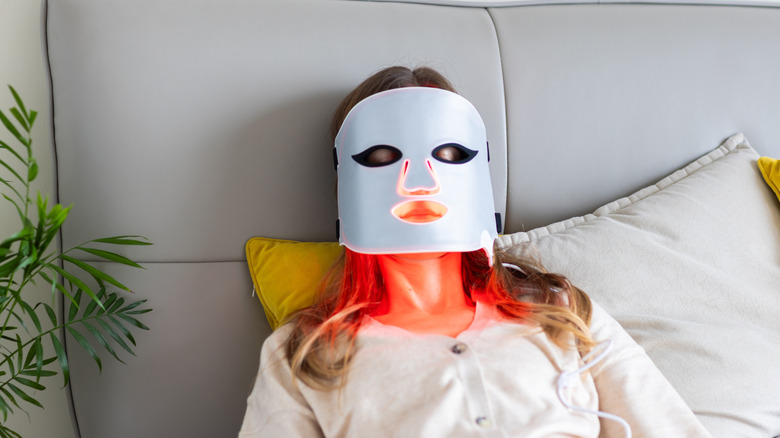
In addition to your everyday skincare routine, there are some more advanced treatments that can help to keep your skin healthy when you're navigating a summer in menopause. Exfoliation and microdermabrasion can be helpful for promoting collagen production and stimulating cell turnover, but always check with a dermatologist before incorporating something like this into your regimen — especially when your skin is increasingly dry or sensitive because of the weather and hormones combo. When it comes to specific additional treatments for the summer, Dr. Rachel Westbay is a huge fan of LED light therapy for menopausal skin. During this process, red light is used at low levels to target a number of skin concerns, including redness and signs of aging, such as wrinkles and fine lines. It does this by stimulating cells with the light, which can then increase collagen and fibroblast production, boost blood circulation, and decrease inflammation.
"Devices like MMSkincare's MMSphere can be especially helpful with the amber (circulation to skin and endorphins), green (aging, pigmentation, wrinkles, reducing redness) and red light (reduce inflammation and release dopamine in the brain to help sleep better and repair your skin) settings to support your unique skin needs," Dr. Westbay explains in our exclusive chat. "Menopausal skin can often look dull or fatigued, and treatments that encourage circulation and skin recovery can make a meaningful difference without being overly aggressive."
Recommended frequency of use depends on the guidelines of the specific product, but starting at 2 to 3 times per week for 5 to 20 minutes a session is a good place to start. If you're thinking of investing in your own device, check out our guide on how to use red light therapy at home.