

Lena Dunham Has Been Incredibly Candid About Her Emotional IVF Journey
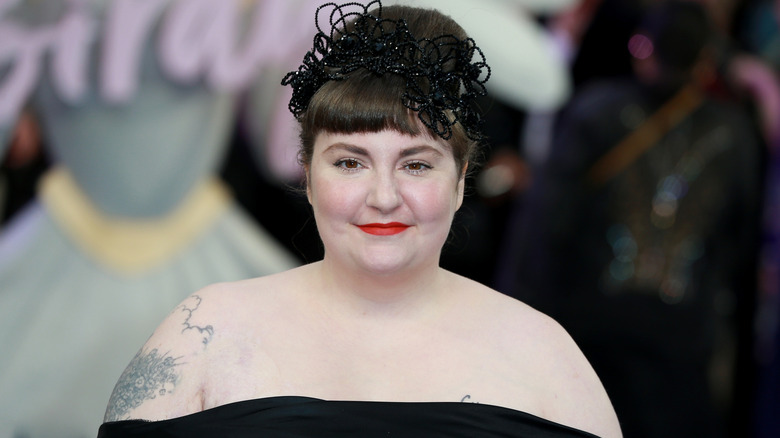
Lena Dunham rose to fame for creating and starring in the TV show "Girls" in 2012. The HBO series based around millennial women became the voice of an entire generation, propelling Dunham to stardom during her mid-20s. Dunham has used her platform to share her health struggles, including her difficult experience with IVF treatment. Speaking to People, Dunham, like Kristin Wiig who has been candid about her own difficult IVF journey, shared how painful the experience was. "Infertility has a ripple effect — it's not just about not being able to have a child, it's about not feeling you understand your place and job in this world," she explained.
But that wasn't the first time she had spoken about this, as she had been quite vocal about her IVF journey. In a personal essay written for Harper's, Dunham revealed that the procedure hadn't worked for her. "I learned that none of my eggs were viable on Memorial Day, in the midst of a global pandemic," she wrote, adding, "I tried to believe that there was some value in the experience, in being tough through something tough." Dunham's openness has been applauded in the past, as it has made other women feel less alone in their own journeys. Dunham may have been among the worst-dressed celebs at the 2026 Met Gala, but fashion faux pas aside, she's incredibly resilient.
Lena Dunham is broadening the conversation about reproductive challenges
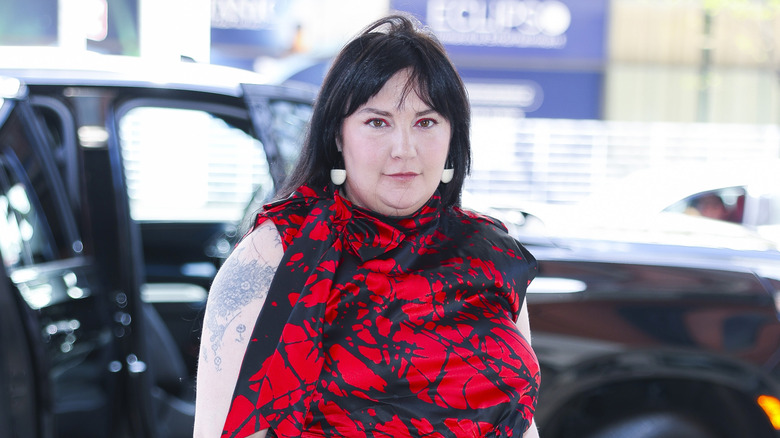
In her essay for Harper's, Lena Dunham talks about getting addicted to benzodiazepines that she was prescribed to manage her anxiety and chronic pain. She went to rehab in the hopes of getting better and fantasized about becoming a mother after getting sober. While she was in rehab, she fell out with her friends who were pregnant around the same time. That's when she found friends online who called themselves IVF Warriors.
Dunham found comfort with like-minded people who also struggled with failed IVF treatments. She also described the financial divide within this community: "Some, many, are wealthy, while others describe mortgaging their houses, taking out massive loans, and working multiple jobs as they attempt to undertake as many cycles as possible (there's a consensus among specialists that a dozen frozen embryos comes close to ensuring a live birth)," Dunham writes. These harsh truths are very much needed for open discourse around reproductive health, and Dunham is broadening the conversation around what women should know about their biological clock.