

How To Combat Hair Loss In Your 50s And Beyond
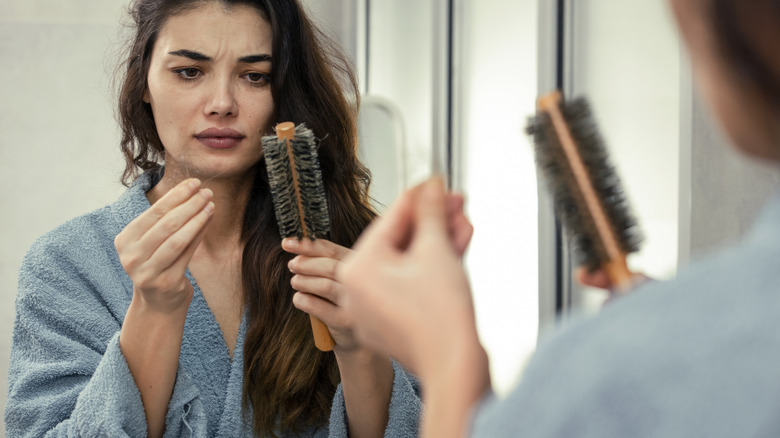
Hair loss is a common concern for women of many ages, but thinner tresses often become especially noticeable by your 50s. While it's easy to attribute hair loss in your 50s to aging itself, there are typically multiple factors that contribute to this problem. Too-tight hairstyles, vitamin deficiencies, and yes, stress, are just a few of the reasons why strands tend to suffer over time. The first signs of hair loss include fine or thinning strands, a lack of volume, or clumps of hair shedding in the shower.
With so many contributing causes at play, it may feel like hair loss as we age is inevitable — but fortunately, that's just not the case. To get to the root of the problem, Glam spoke to hair expert Penny James of the Penny James Trichology Center. James, a board-certified trichologist, personally experienced hair loss herself prior to becoming a board-certified trichologist, IAT, and IoT. James gave us some helpful information so that you can treat female hair loss like a pro.
Common causes of hair loss for women in their 50s and beyond
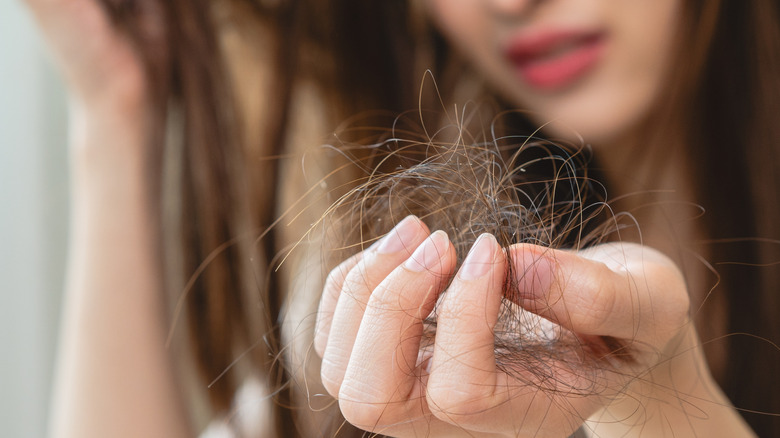
It's normal to see some hair shedding during stressful times, but research shows that clinical hair loss usually sets in later in life. According to research published in the Journal of the American Academy of Dermatology, 40% of women are affected by female pattern hair loss by the age of 50. Though there are conditions that can trigger premature hair loss — such as hair-pulling disorders or hormonal fluctuations — Penny James notes that menopause often acts as a catalyst for female hair loss. "Most women are going through menopause in their 50s, a time when key hormones associated with hair are affected," James tells Glam in our exclusive chat.
Because hormone shifts vary from person to person, some women may experience hair loss due to perimenopause, the phase prior to menopause that can set in as early as one's 30s. "This also applies to genetic hair thinning caused by DHT (dihydrotestosterone)," says James. "Often, having inherited follicle stimuli to DHT hair thinning often starts with menopause. This leads to hair miniaturization (little baby hairs)."
It may be hard to keep track of all these hormones and their role in your hair's health, but James breaks it down quite simply. "Estrogen can become depleted, which triggers hair follicles to shrink, leading to thinner-looking hair," James explains. Furthermore, James notes that the four phases hair growth may be altered by rising androgen hormones.
Women can combat hair loss by establishing a healthy hair routine
Chances are you've heard this next bit of advice before — but that's because it works. "Make sure you are keeping yourself in good health," Penny James tells Glam exclusively. "Drink plenty of water, exercise, follow a clean diet, and reduce stress." It sounds simple enough, but the truth is that many of us struggle to stay hydrated, exercise daily, and keep stress levels to a minimum.
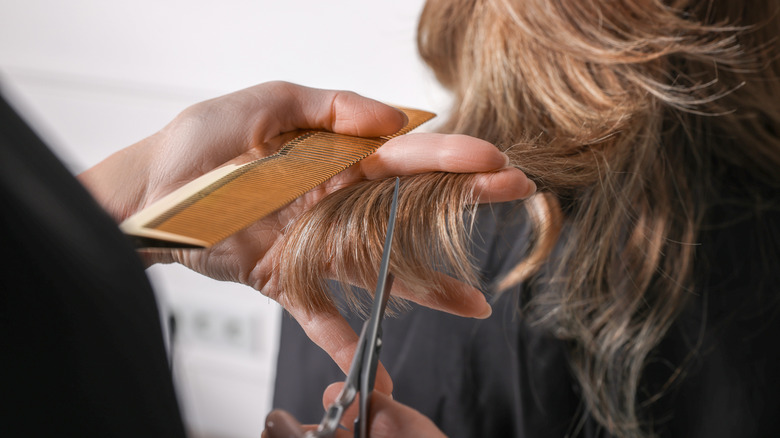
To address your hair at the source, James recommends seeing your hairstylist on a regular basis for trims. "Get a haircut every 6-8 weeks, and learn how to blow-dry your hair without burning it," says James. "Find out what the best hair care products are for your hair type. At my Trichology Center, every client understands their hair type and what will help their scalp and hair stay in the best health." Those with thick hair may respond well to heavier styling products like silicones, while others would be better off with lightweight leave-in conditioners for fine hair.
You can even create your own DIY hair masks using products that may already be on your haircare shelf. "For hydrating hair, I love an aromatherapy approach," James shares. "Coconut oil mixed into a cream is incredibly hydrating. I also love to combine essential oils like rosemary, thyme, and lavender with a carrier oil like jojoba, mix them together, and apply them to the hair for a treatment that hydrates and nourishes."
For women, reversing hair loss often requires help from professionals
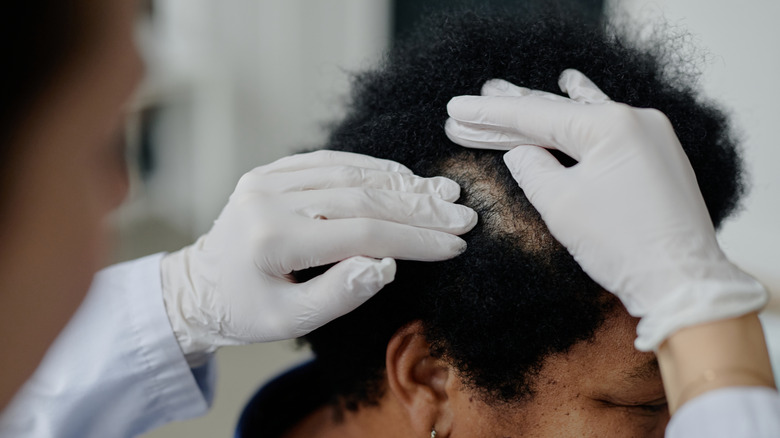
It's best to treat hair loss in its early stages, but there's hope for women experiencing advanced hair loss. "If you feel like you are losing your hair or your hair's texture has changed, reach out to a board-certified trichologist or dermatologist who specializes in hair loss to find out why your hair is thinning," Penny James tells Glam exclusively. A board-certified hair expert or dermatologist can closely analyze your hair and scalp, plus provide the proper care to address your specific type of hair loss.
Per James' advice, don't fall for quick-fix products or sales pitches on social media platforms, especially if they sound too good to be true. "There are many products on the market that claim to reverse hair loss, and often they do not," James says. "This leaves you feeling frustrated and annoyed for spending so much money on a product that does not work."
If you're wondering which products James approves of for women with hair loss, you're in luck. "Some of my top recommendations for hair and scalp health are Nutrafol for women 45 and over, as well as Tricotaine Antioxidant shampoo and antioxidant scalp cream." Nutrafol contains hair growth-promoting ingredients such as ashwaganda & peptides, whereas Tricotaine targets hair topically with antioxidants. Before introducing a new hair vitamin like Nutrafol to your routine, be sure to reach out to your doctor to avoid potential interactions with other supplements or medications.
Final thoughts on fighting hair loss for women of all ages

Battling hair loss can be tough, but Penny James wants you to know that you deserve gorgeous hair — and it's possible to restore your mane to its former glory. "Take the time to look after and invest in your hair," James tells Glam exclusively. "If you are experiencing hair loss, I suggest seeing a hormone specialist, a trichologist or dermatologist, and a good hairstylist. We will all advise you on the best way to take care of your overall health, which will promote healthy hair."
Furthermore, it's important to remember that every woman's hair journey is unique, and hair loss treatments should reflect their individual needs. "Not all of us are blessed with thick locks. The key is to keep the hair that you have," says James. "Hair growth is very tricky, so catching it when it is starting to shed is the first step to keeping it," she adds.
Instead of spending hundreds on pricey hair products, it's wise to seek help from a haircare professional or dermatologist. "Hair loss [involves] an underlying condition that has to be addressed first, and then a treatment plan can be put into place," James explains. Depending on where you're located, you may need to travel or find a haircare expert that offers virtual visits. By addressing the factors that contribute to hair loss and finding the right provider, you'll be well on your way to healthier locks.