

Strict Fashion Rules Women Followed In The '60s That Would Stun Younger Generations
We may receive a commission on purchases made from links.
Although the 1960s will forever be remembered as the decade fashion came into its own, it took some time to get there. In fact, before the iconic boomer fashion trends that have stood the test of time and model Twiggy perfectly capturing the era's vibe, there were fashion rules for women that were expected to be followed. After all, you didn't want to be the talk of the town because you dared to skip pantyhose and — gasp — rocked a bare leg.
Because women needed all the help they could get, at least according to 1960s' media, various handbooks were published teaching women not just how to be women, but what beauty and fashion rules were appropriate. In 1965, "Frankly Feminine," a whopping 544-page book by Eileen McCarthy hit the market, detailing such gems like how to make a pretty speech and the importance of having curves in all the right places. Then, just two years later, "The Seventeen Book of Fashion and Beauty" was published, which included lessons on how to groom, how to talk with matches in your mouth, and how to make yourself beautiful even if you didn't wear makeup. Not only were these handbooks in existence, but companies like Sears and TWA had manuals rife with advice for their female employees.
While there were plenty of strange tips from that era, like how you should "imagine you're a frail 19th century beauty and eat like a bird" while dining at a friend's house, that's just the beginning. From acquiring a velvety voice and basically disappearing into a crowd, these guides provided a lot of advice that we can't imagine women heeding today.
Going anywhere without your girdle was a no-no
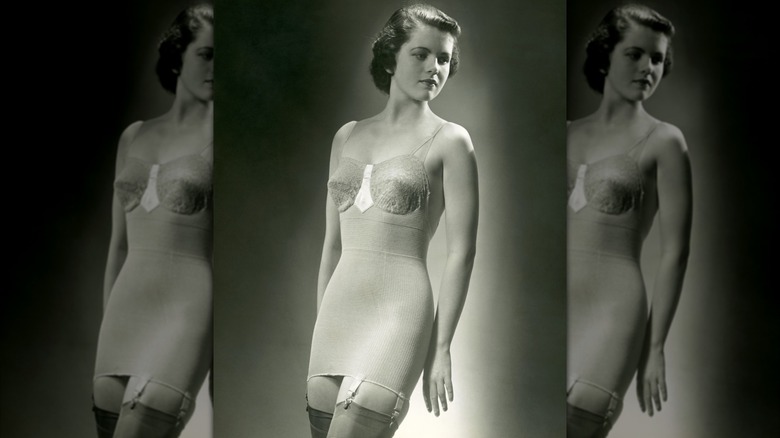
Many of the fashion rules that women followed in the '60s prioritized beauty over comfort. For example, as Eileen McCarthy wrote in "Frankly Feminine," fitting foundations — aka girdles — were essential: "The foundation that is going to make your figure prettier exists no farther away than the nearest corset department ... Getting the exactly right garments that are going to pull you in, smooth you out, or prop you up in the right places is a matter of joint operation between yourself and the fitter."
Granted, girdles and corsets were big the decade before, being used as a style trick that helped '50s women craft hourglass silhouettes, but that doesn't mean these undergarments were easy to wear. Shapewear is still popular today, of course, but now it feels more like a personal choice rather than something that's a must-have in your underwear drawer.
Modesty was a must — and not just for hemlines
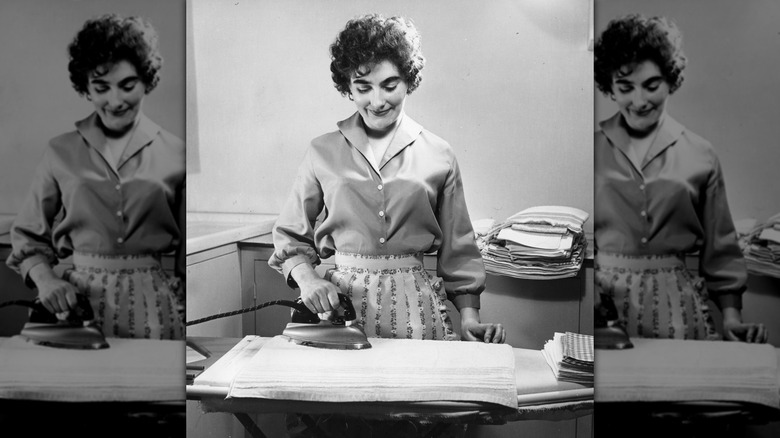
As much as a woman might be applauded today for standing out with her fashion and beauty choices, that was not the case in the 1960s. And the Seventeen guide had multiple examples of this. For starters, being "too much" was a major problem: "Too much skin, too much leg, too much perfume, too much makeup labels you a girl to be whistled at rather than loved," the text read. Even though modesty was so heavily emphasized, skirts were still the preferred garment. For example, Baylor University only allowed women to wear pants to picnics, after receiving permission first, or when they were leaving campus.
If that weren't enough, women weren't exactly encouraged to experiment with their makeup, either. "Some girls can use nothing but eyeliner, blusher and lipstick and still end up looking like a lady clown," wrote the editors. Clearly they weren't advocating for red lipstick, but we think it's always a good idea.
Colors mattered — but not in a way that made sense
It goes without saying that some colors look better on certain people. For example, the best colors to wear if you're blond are raspberry red, cobalt blue, and magenta purple, among other colors that have a richness to them. When you get older, the colors you wore in your youth, including your favorite makeup shades, don't complement your skin as well as they once did, so you end up reaching for the best eyeliner colors that flatter older women. To no surprise, "The Seventeen Book of Fashion and Beauty" had some color-related tips to impart to women in the 1960s.
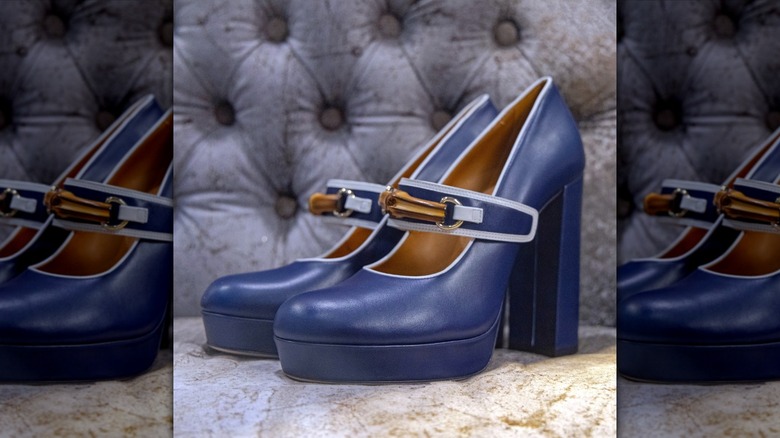
According to the editors of the guide, you should always be wary of blue shoes, unless they're navy. Why? Probably for the same reason they advise against women wearing colorful glasses, but there's no given explanation. Also, pink is never a good idea. "If hot pink on you makes people want to say: 'Pink, where are you going with that girl?' use it for a scarf or shirt rather than a whole dress." While we agree that certain hues can overwhelm a look, we also believe that you should wear whatever colors make you happy.